
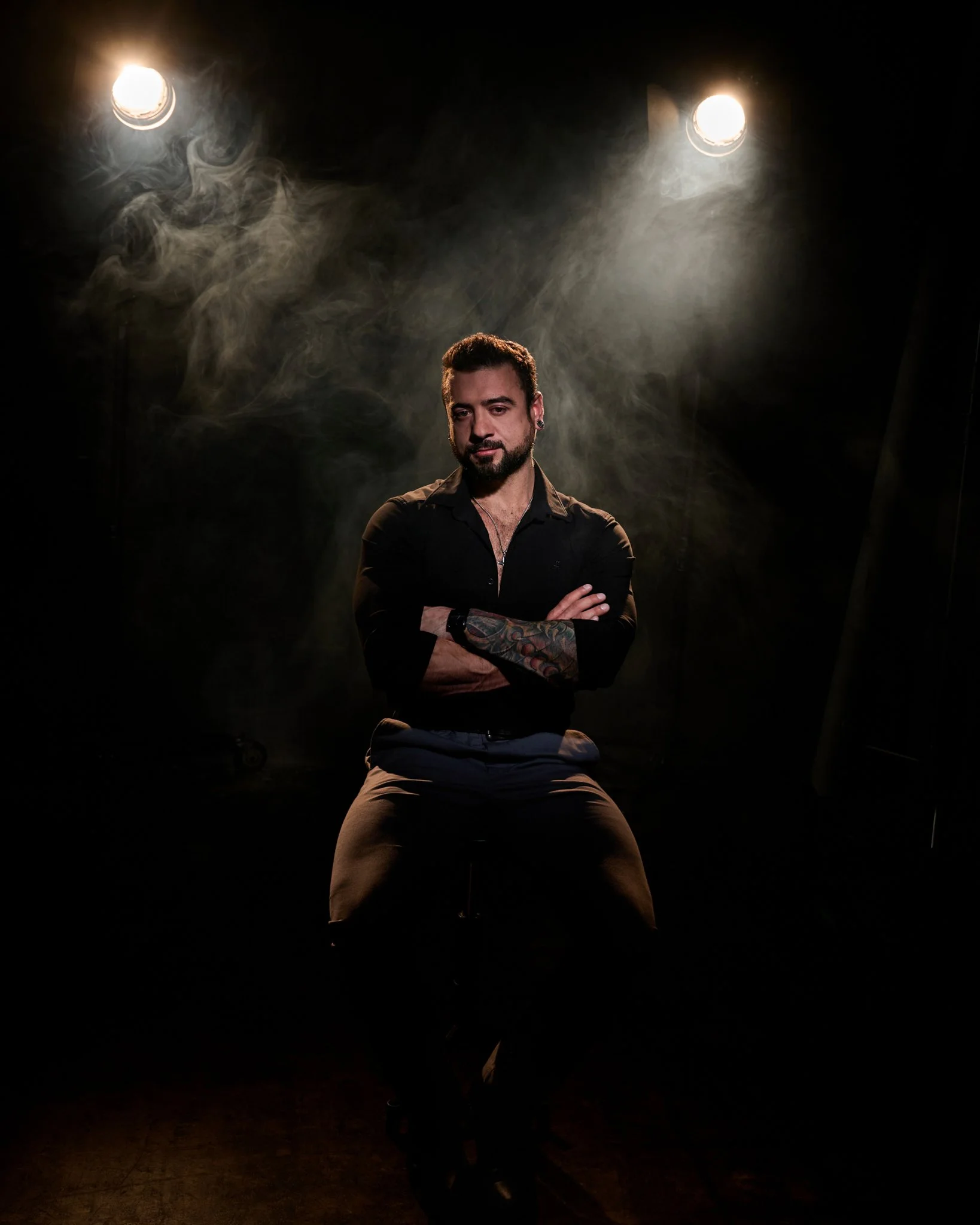
Here's something most people never think about: by the time someone reads your name, your headshot has already done a lot of talking.
It happens fast. Research on first impressions suggests people form a judgment about a face in a fraction of a second, long before they've read your bio, your tagline, or a single line of your work. So when a potential client lands on your LinkedIn profile, your website's About page, or a speaker lineup, your photo is the opening line of the conversation. You just don't get to hear what it's saying.
Let's talk about what it's actually saying.
You're being read, whether you like it or not
People are wired to size each other up quickly. It's not shallow, it's survival instinct doing its job. When someone looks at your headshot, their brain is quietly answering a few questions: Do I trust this person? Are they competent? Do they seem like someone I'd want to work with?
The tricky part is that the answers don't come from your qualifications. They come from your expression, your posture, the light on your face, and a dozen tiny signals you may not even know you're sending.
The signals you're sending

A few of the big ones:
Approachability.
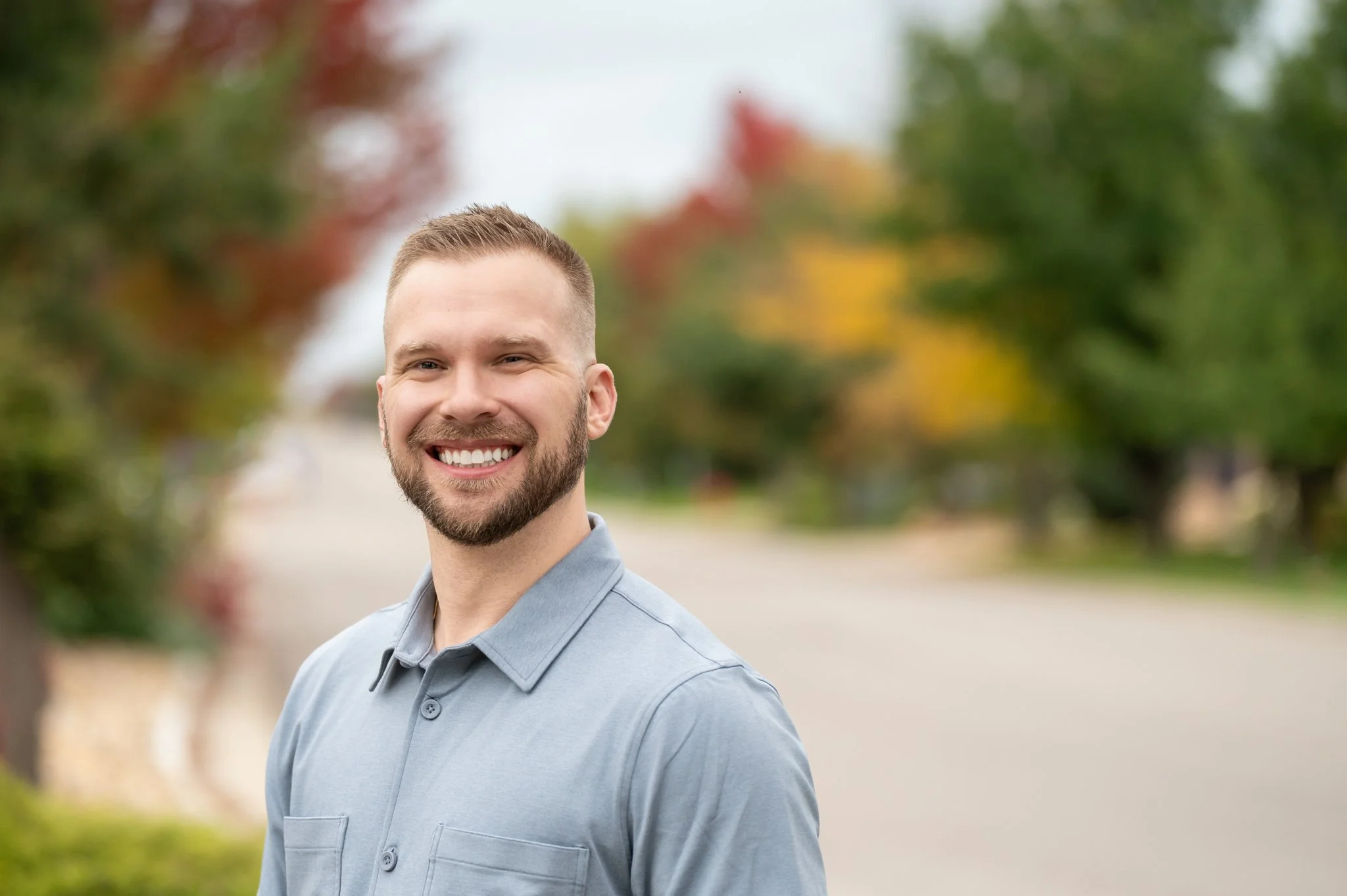
A relaxed jaw, eyes that are actually engaged, the hint of a real smile. These tell people you're someone they could talk to. A tense or guarded expression says the opposite, even when you're the warmest person in the room. If you're unsure what expression best fits your personal brand, check out my guide on should you smile in a headshot?
Confidence.
This shows up in posture and in the eyes more than anywhere else. Shoulders back without being stiff, a direct gaze, a sense that you're comfortable being seen. When someone is uncomfortable on camera, it reads as uncertainty, and viewers tend to map that onto your work.
Competence and attention to detail.
A current, well-lit, intentional photo signals that you take your professional presence seriously. A blurry crop from a wedding five years ago sends a different message, fair or not.
Currency.
An outdated headshot quietly says "this information might be old." If the photo doesn't look like the person who shows up to the meeting, that gap can chip away at trust before you've said a word.
Why so many great people photograph poorly
Here's the thing I see constantly, and it's the reason I do what I do. Smart, capable, genuinely warm people freeze the second a camera points at them. The expression locks up, the shoulders climb toward the ears, and the photo ends up looking like someone bracing for a flu shot.
That stiffness isn't a personality flaw and it isn't your fault. A camera is an unnatural thing to perform for, and "act natural" is famously the least helpful direction in the world. The problem is that the freeze gets captured and then quietly communicates tension or coldness to everyone who sees the photo, which is the exact opposite of who you actually are.
The good news is that this is fixable, and it has very little to do with how photogenic you think you are.
What you can actually control
You have more say over your headshot's message than you'd guess:
Choose an expression that matches your real energy: If you're warm in person, your photo should be warm. If your work is serious and precise, a calmer, more grounded look might serve you better. The goal is alignment, not a default grin.
Dress like the version of you that shows up to do the work.: Your clothing sets context before anyone reads your title.
Update it when you change: New role, new hair, new direction in your business. If the photo no longer matches reality, it's working against you.
Work with someone who can get you out of the freeze: A good photographer isn't just running the camera. Their actual job is helping you relax enough that the real you makes it into the frame. If you're building a business or personal brand, investing in branding photography can help create a more complete and consistent visual presence beyond a single headshot.


The bottom line
Your headshot is a tiny ambassador. It's out there representing you in rooms you'll never walk into, making a case for you to people you may never meet. The question worth asking isn't "do I look good in this photo." It's "is this photo saying what I want it to say."
If you're not sure it is, that's worth fixing. The right headshot doesn't turn you into someone else. It just makes sure the first impression matches the real one.
Want to see examples of headshots that communicate confidence, professionalism, and authenticity? Browse the headshot portfolio for inspiration.
Ready for a headshot that actually sounds like you?
Learn more about my headshot photography services or get in touch to start planning your session.