
Most people think a great headshot is one that makes them look good. For a performer, that's not the goal. It's barely even the starting line.
A business headshot and an actor's headshot can look like cousins. Same lighting equipment, same studio, same photographer in some cases. But they are doing two completely different jobs and confusing them is one of the most expensive mistakes a performer can make with their career.

Here's the distinction that matters.
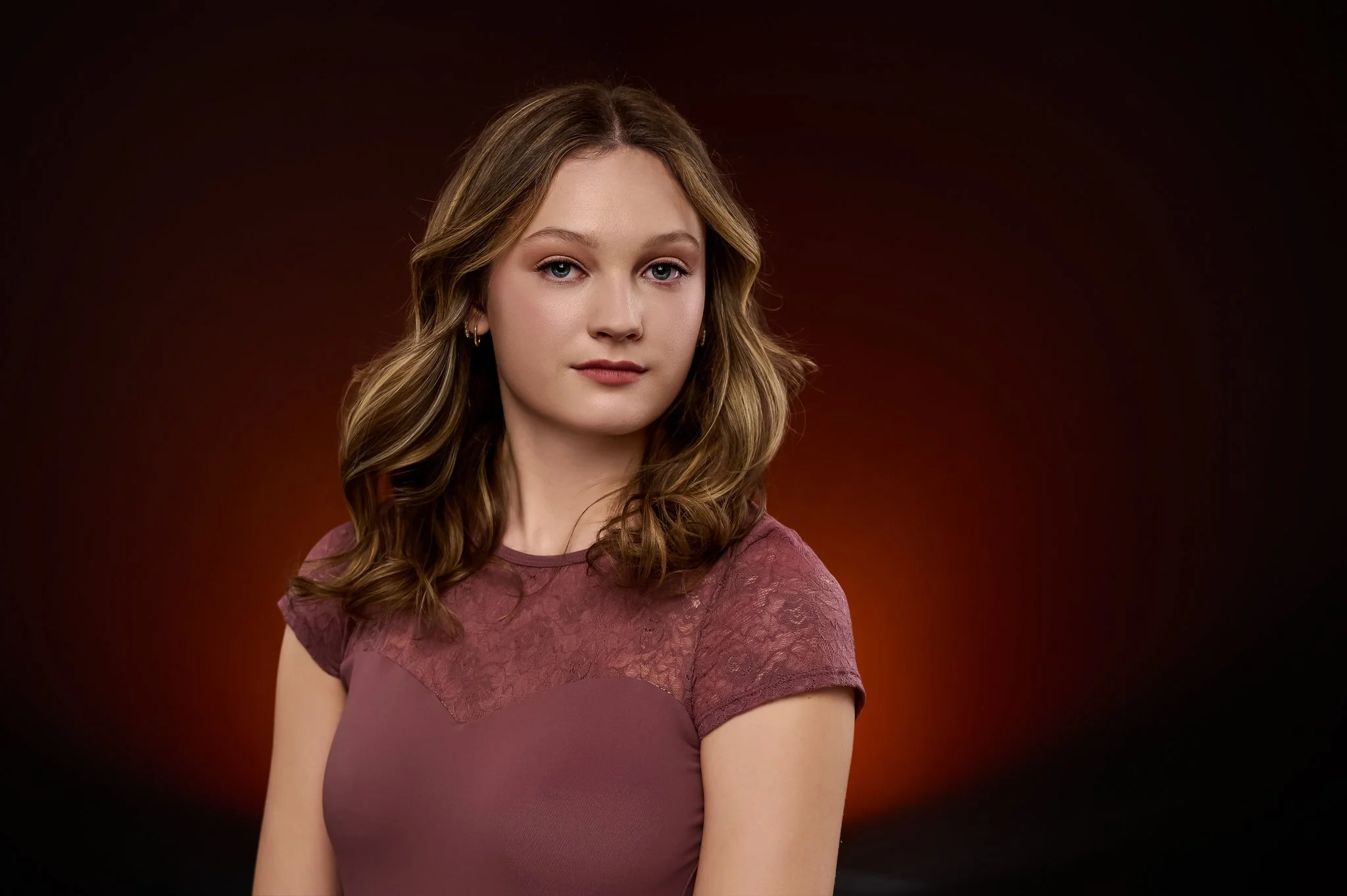
A corporate headshot confirms. An actor's headshot competes.
When someone books a corporate headshot, they already have the role. They're the regional sales director, the family law attorney, and the founder. The photo isn't trying to win them the job. It confirms the credibility of a position they already hold. The goal is to look polished, approachable, and trustworthy so that a client or colleague feels good about working with them.
An actor's headshot has no such safety net. It is a marketing tool whose entire purpose is to get you considered for work you don't have yet. It sits in a pile, or more likely a scrolling grid, alongside hundreds of other faces. A casting director gives it a fraction of a second before deciding whether you're right for the role they're trying to fill. Your headshot isn't confirming anything. It's auditioning before you ever walk in the room.
That difference changes everything about how the photo needs to be made.
What a casting director is looking for
When a casting director scans headshots, they aren't hunting for the most attractive person. They're hunting for a specific person, the one who fits the role in their head. The cynical mom. The slick villain. The warm best friend. The exhausted ER doctor.
This is what the industry calls "type," and a performer's headshot must communicate it instantly and honestly. A photo that's beautiful but vague gets passed over, because the casting director can't place you. A photo that clearly reads "I am this kind of person" gets you the audition, even if you're not conventionally the most polished face in the stack
A corporate client almost never has to think about type. They have one identity to project, and they project it. A working actor often needs several looks because they're selling range, not a single fixed role.


The eyes do the work
The single biggest thing separating a performer's headshot from a business shot is what's happening behind the eyes.
A pleasant corporate smile can be perfectly empty and still do its job. It reads as friendly and competent, and that's enough. In a performer's headshot, an empty expression is a dealbreaker. Casting directors are looking for a readable inner life, a sense that there is a real, specific thought happening behind the eyes. They want to feel like they could drop you into a scene and something would already be going on inside you.
That's not something you fake with a better smile. It's the actual craft of the session, and it's why directing a performer in front of the camera is a different skill than directing an executive. You're not coaxing out a nice expression. You're getting them to genuinely think and feel something so the camera can catch it.
Why over-retouching hurts performers
In corporate work, polish builds trust. Smooth the skin, brighten the eyes, clean it up. No one in a sales meeting is going to hold your headshot up next to your face and compare.
In casting, they will. If your headshot has you ten years younger, flawless, and twenty pounds lighter than the person who walks through the door, you haven't impressed anyone. You've wasted their time and signal that you don't understand the business. The headshot must look like the best, most alive version of exactly who shows up to the audition. Not a fantasy. You.
This is the rule I come back to constantly: your headshot should look like you on your best day, not like someone else entirely.
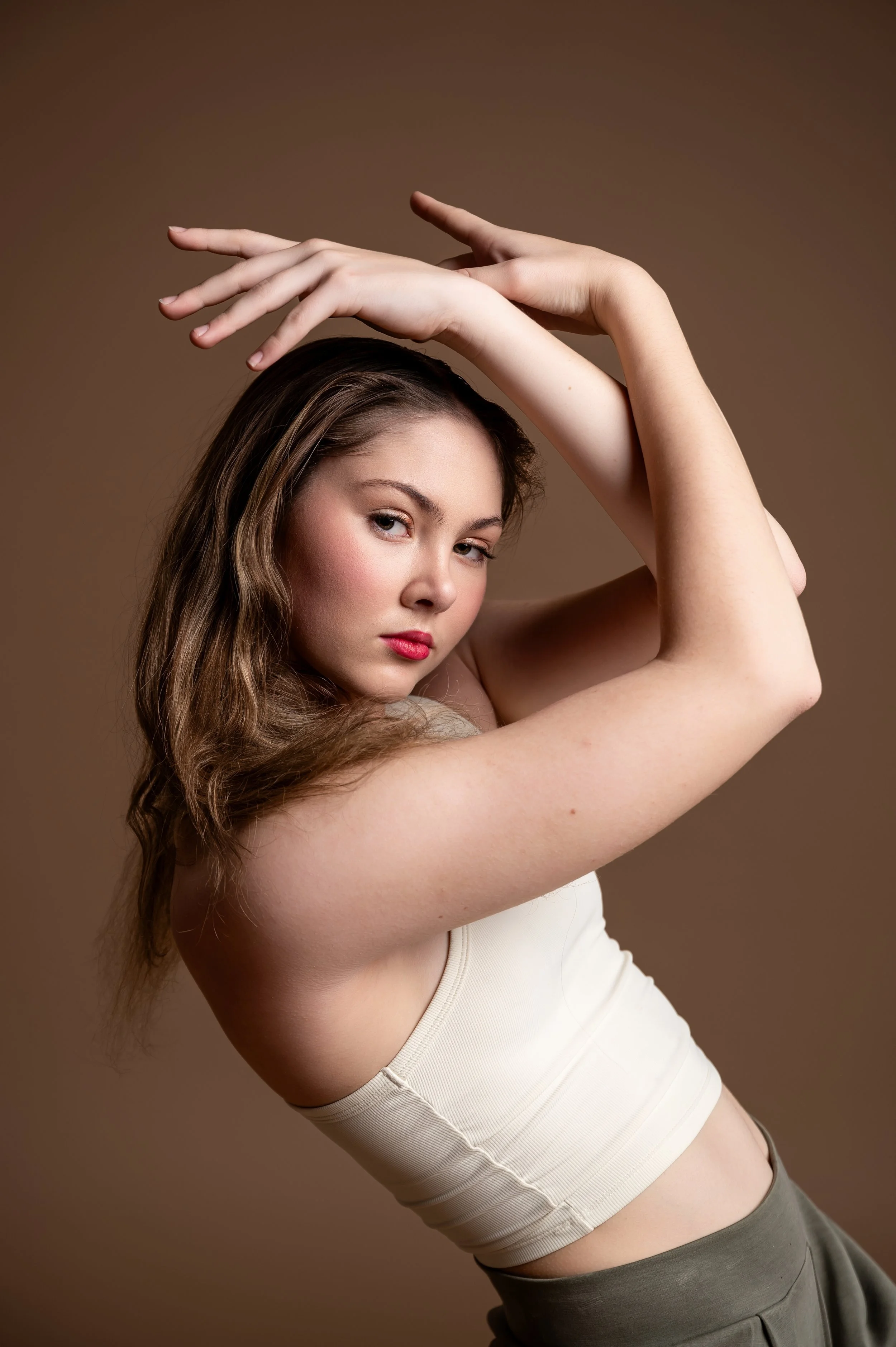
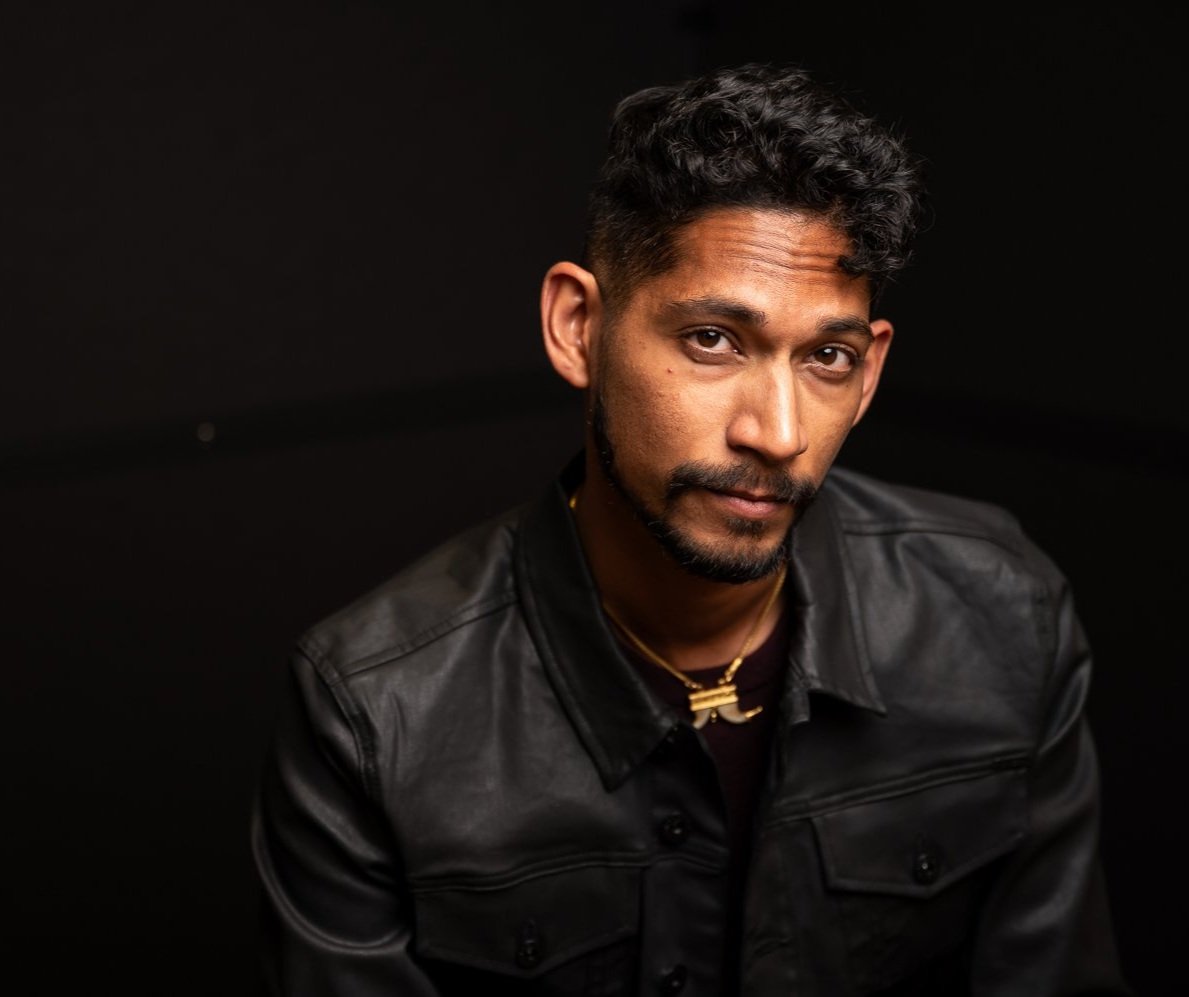
So no, you can't just use your LinkedIn photo
This is the heart of it. A performer who grabs a nice business headshot because it "looks professional" is bringing a credibility tool to a casting fight. It might be a lovely image. It will still fail at the one job it needs to do, which is get you seen, get you typed correctly, and get you in the room.
A headshot that books work isn't the one that gets the most compliments at a dinner party. It's the one that makes a casting director stop scrolling and think, "Yes. Bring this person in."
That's the photo I'm interested in making.
Ready for a headshot that works as hard as you do?
Let's talk about your looks, your type, and what you're trying to book.